
Incident Investigation Report

    Learn how an Incident Investigation Report uncovers root causes, prevents future accidents, and ensures workplace safety compliance.

    Why Use an Incident Investigation Report?

    Icon of clip board with check boxes, hazard sign, and shield with check mark - representing the identification and correction of hazards for incident investigations.

    Identify and Correct Hazards

    Proactively address unsafe conditions to protect workers and improve job site safety.

    outline of a cross (or plus) symbol, representing safety, and how incident investigation reports help build a safety-first culture.

    Build Safety-First Culture

    Show your commitment to continuous improvement and keeping your team safe.

    Icon of layered papers with a check mark in a circle, representing

    Ensure Compliance

    Meet regulatory standards and create a detailed record to use during audits or inspections.

    Watch: How to Conduct an Effective Incident Investigation

    In this video, you'll learn:

    • The key steps to conducting a thorough, fact-based incident investigation

    • How to identify contributing factors and use "The 5 Why" method for root cause analysis

    • Best practices for photo documentation, witness statements, and corrective actions

    Download the free Incident Investigation Report template and start improving your incident response process today.

    FAQs: Incident Investigation Reports

    What is an Incident Investigation Report?


    An Incident Investigation Report documents the details of workplace accidents or near-misses, identifying the root causes to prevent future incidents. This process focuses on understanding contributing factors, not assigning blame.


    For insights on addressing high-risk activities that may lead to incidents, check out: High-Risk Safety Inspections: The Impact on Construction Safety.


    Why Are Incident Investigations Important?


    Incident investigations are essential for identifying hazards, understanding root causes, and developing corrective actions to prevent future incidents. They also reinforce a safety-first culture and ensure compliance with OSHA and industry standards.


    To see how targeting high-risk conditions can complement your incident prevention efforts, read our blog: High-Risk Safety Inspections.


    When Should You Conduct an Incident Investigation?


    Incident investigations should be conducted after any workplace accident, near-miss, or safety violation. If the incident involves high-risk activities such as crane operations, confined spaces, or electrical work, additional focus on high-risk safety measures may be needed.


    Learn how high-risk safety inspections can identify hazards before incidents occur: High-Risk Safety Inspections.


    What Should Be Included in an Incident Investigation Report?


    Key components:


    • Incident Details: Date, time, location, and summary of what occurred.

    • Root Cause Analysis: Factors that contributed to the incident.

    • Corrective Actions: Steps to prevent similar incidents in the future.

    • Witness Statements: Accounts from anyone who observed the incident.

    • Supporting Evidence: Photos, diagrams, or documents related to the incident.


    Who Should Conduct an Incident Investigation?


    Ideally, a safety manager or supervisor with knowledge of the site’s operations and hazards. Involving a neutral party can also provide an unbiased perspective.

    How Do Incident Investigations Prevent Future Incidents?


    Incident investigations identify unsafe conditions and behaviors that contributed to an incident. Corrective actions, such as better training or new safety protocols, can then be communicated and implemented to prevent recurrence.


    For a proactive approach, pairing investigations with high-risk safety inspections can enhance site safety. Learn more: High-Risk Safety Inspections.


    Get Essential Safety Templates for Your Job Site

    Access expertly designed forms, including an Incident Investigation Report, to improve safety and compliance processes.

    Free PDF Template downloads-smaller file

    Level up your safety game

    Additional Resources

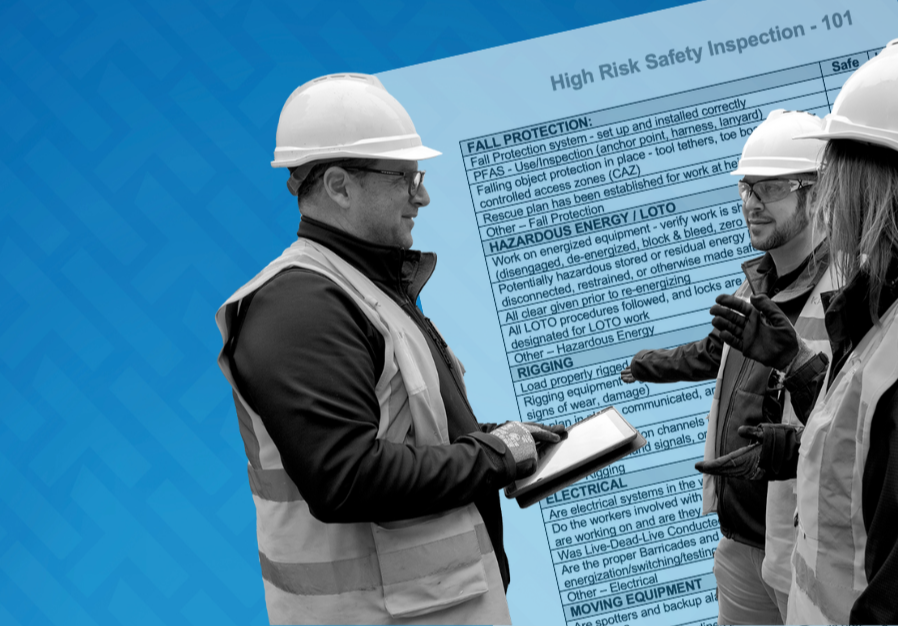
    Image of 3 construction workers discussion high risk safety overlapping an image of a high-risk inspection checklist.
    Guide

    High-Risk Safety Inspections: The Impact on Construction Safety

    9-Minute Read

    Understand how proactive safety inspections can prevent incidents and ensure compliance on construction sites.

    Dive in
    Construction Safety Playbook landing page background-1
    Guide

    The Construction Safety Playbook: Standardize Safety & Improve Accountability

    25-Minute Read

    Create a safer, more consistent jobsite with structured safety processes and clear accountability. This expert-backed playbook provides...

    Get the playbook
    STCKY wheel -
    Blog

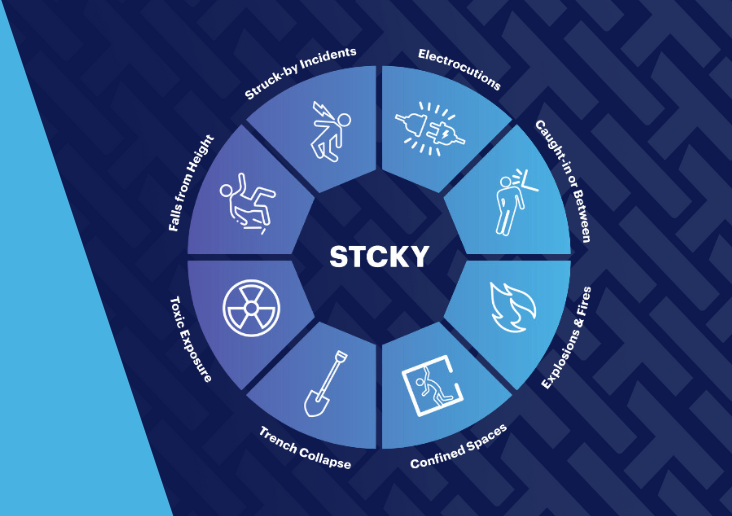
    Proactive High-Risk Management for Contractors: Leveraging PSIF and STCKY

    9-Minute Read

    Explore how identifying and managing S#!* That Can Kill You (STCKY) and Potential for Serious Injury or Fatality (PSIF) can help prevent...

    Read More