

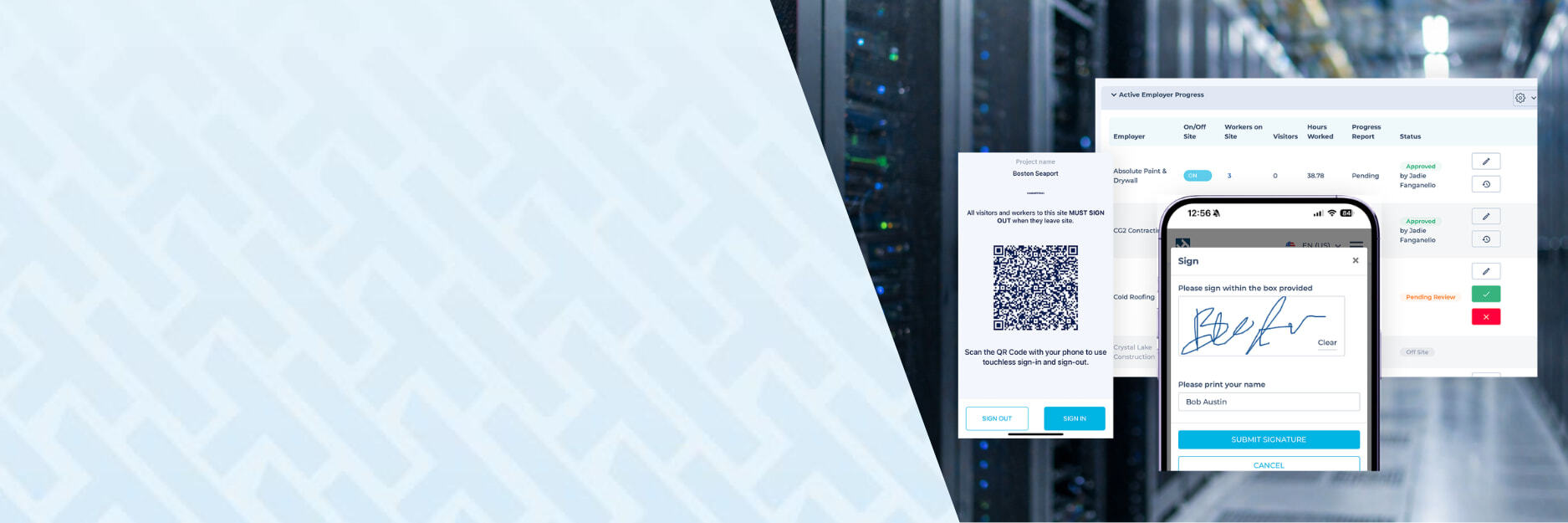
Data center construction moves fast. The problem is, workflows don’t always keep up.
When subcontractor compliance is inconsistent, permits are managed on paper, and workforce data lives in silos, teams lose control of the jobsite. Not all at once, but in small ways that create delays, rework, and unnecessary risk.
The solution isn’t more oversight. It’s better structure.
HammerTech gives project teams a connected set of workflows that standardize how work is planned, approved, and executed. The result is tighter control, better coordination, and fewer surprises.
Below are five workflows that make the biggest impact on data center projects.
1. Subcontractor Management: Establish Control Before Work Begins
On a data center project, subcontractor risk is magnified. Specialized trades, complex scopes, and overlapping schedules mean one gap in compliance can impact the entire build.
The challenge is maintaining consistency. When prequalification is handled manually or varies by project, it becomes difficult to ensure every subcontractor meets the same standard before mobilizing onsite. Small gaps, like missing insurance or outdated licenses, can quickly become larger risks.
With HammerTech, teams can:
-
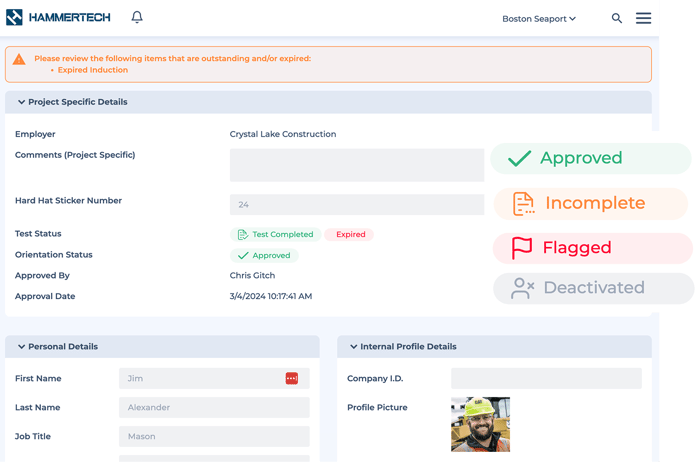
Standardize prequalification requirements across all trades
-
Automate document collection and verification
-
Track subcontractor compliance in real time
-
Maintain a clear audit trail for internal and client reporting
This creates a controlled, consistent entry point to the jobsite, reducing risk before work even starts.
[Explore the Subcontractor Management workflow ]
2. Orientation & Worker Information: Know Who’s Onsite, Always
In mission-critical construction, workforce visibility isn’t optional - it’s essential. When hundreds (or thousands) of workers cycle through a site, you need confidence that every individual is trained, authorized, and accounted for.
The challenge is manual onboarding processes. Without a standardized approach, orientation processes can become fragmented. Training records are stored in different places, worker credentials are difficult to verify, and teams lack a clear picture of who is onsite at any given time.
With HammerTech, teams can:
-
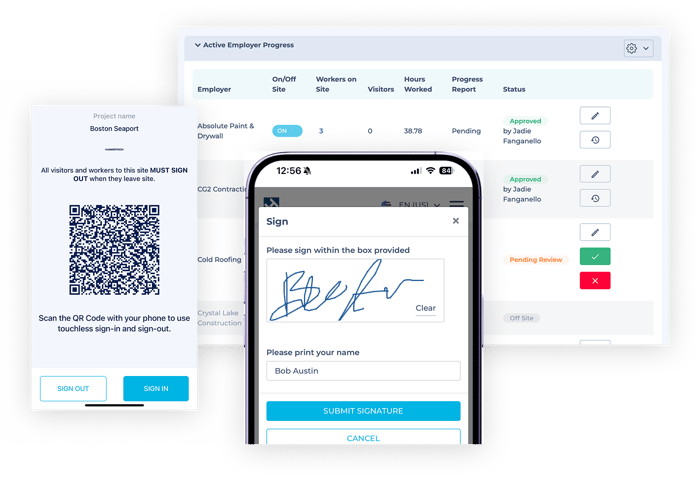
Standardize digital orientations before work begins
-
Centralize worker profiles with training and credential tracking
-
Gain real-time visibility into site access
For data center projects, this ensures only qualified workers are onsite - and that you always know who’s working, where, and when.
 [See how Orientation & Worker Information works ]
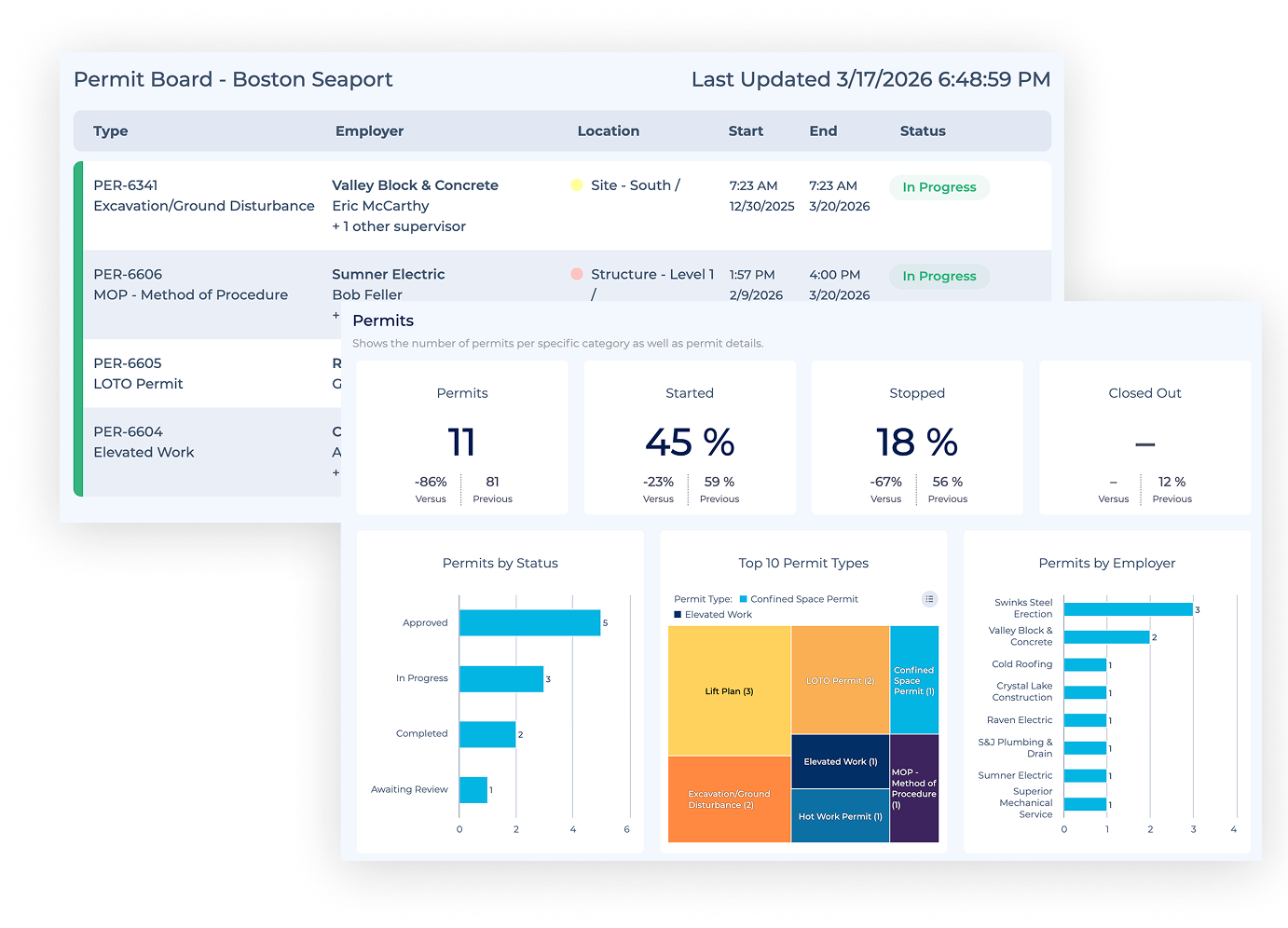
3. Permits: Keep High-Risk Work Controlled and Compliant
From energized systems to confined spaces, data center construction involves high-risk activities that demand strict permit controls. Managing these activities effectively requires more than a permit; it requires clear coordination, visibility, and accountability
The challenge is that some teams still rely on paper-based permit systems. This can slow down approvals and make it difficult to see what work is happening across the site in real time. As a result, it creates potential gaps in communication, particularly across shifts or between trades working in proximity.
With HammerTech, teams can:
-
Streamline the permit-to-work process into a single digital workflow
-
Maintain clear visibility into active, high-risk permits across the jobsite
-
Standardized the permit process for consistent compliance
-
Improved coordination between trades and supervisors
This improves coordination between teams and helps ensure that critical safety controls are consistently applied. At the same time, it reduces administrative friction, allowing work to proceed without unnecessary delays.
[Learn more about Permit Management ]
4. JHAs (Job Hazard Analyses): Standardize Planning at the Task Level
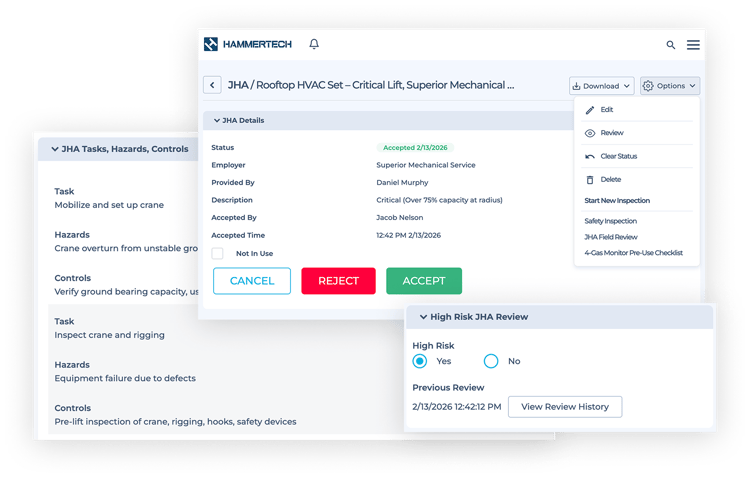
Even with strong planning at the project level, risk is ultimately managed at the task level. That’s where Job Hazard Analyses (JHAs) play a critical role.
The challenge is that JHAs can vary significantly in quality. Some are Some are detailed and well thought out, while others are rushed or treated as a compliance exercise. This inconsistency makes it harder for project teams to rely on them as a meaningful risk management tool.
With HammerTech, teams can:
-
Structure the JHA process to ensure quality and consistency
-
Create standardized templates and defined workflows to ensure all required details are submitted
-
Enable easy access for crews in the field
-
Establish clear linkage between hazards, controls, and tasks
The result: better planning, stronger risk mitigation, and more confident execution at the crew level.
5. Safety Plans: Align Teams Around a Single Source of Truth
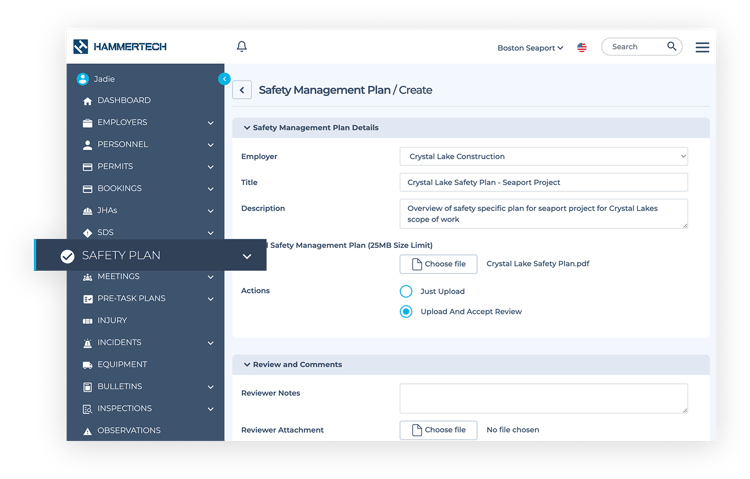
On large-scale data center projects, safety plans are often extensive and involve input from multiple stakeholders. Without a centralized system, these plans can quickly become fragmented, with different teams working from different versions or interpretations.
This challenge introduces a lack of alignment and risk —not because plans don’t exist, but because they are not consistently understood or applied.
With HammerTech, teams can:
-
Centralize safety plans into a single platform
-
Enable visibility across teams, leadership, and stakeholders
-
Ensure alignment between safety plans and day-to-day workflows before work starts
For project leaders and owners, this creates greater confidence that safety is being managed consistently across the entire build.
 [See how Safety Plans are managed ]
Bringing It All Together: Connected Workflows for Mission-Critical Delivery
On their own, each of these workflows solves a specific problem. But when they’re disconnected, gaps still exist.
Real impact comes from bringing them together.
When subcontractor management, workforce visibility, permits, JHAs, and safety plans operate in one connected system, teams gain a clear, real-time view of the jobsite. Work is better coordinated, risks are identified earlier, and decisions are made with confidence.
Instead of reacting to issues, teams stay ahead of them.
That’s what allows data center projects to move fast without losing control.
Ready to See It in Action?
If you’re managing data center construction projects and need tighter control across subcontractors, workforce, and safety workflows, HammerTech can help.
[Book a demo to see how these workflows come together in one platform ]

.jpeg)