
%20GIF.gif?width=200&name=HammerTech%20Intelligence%20(HTI)%20GIF.gif)
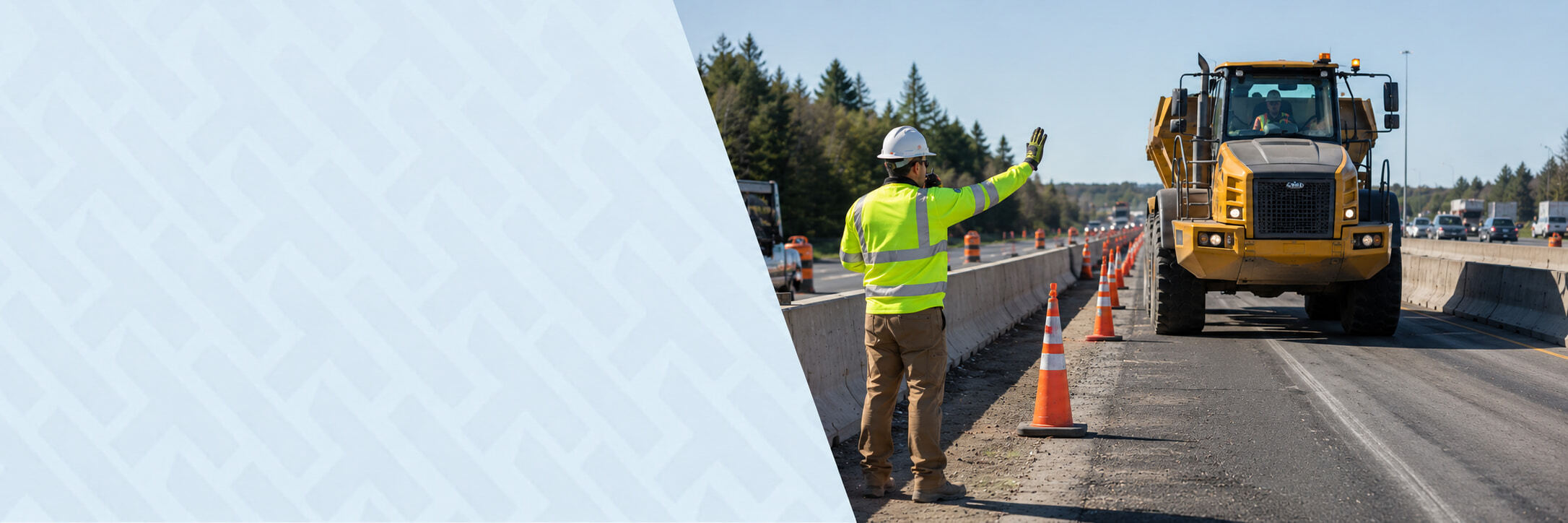
On heavy civil projects, crews are always in contact with the real world. One crew may be working beside live traffic and pedestrians; another could be operating mobile plant along a kilometres-long stretch of road; and another could be working on a bridge passing over a busy motorway.
On heavy civil projects, crews are always in contact with the real world. One crew may be working beside live traffic and pedestrians; another could be operating mobile plant along a kilometres-long stretch of road; and another could be working on a bridge passing over a busy motorway.
A safety manager might cover four or five of these locations in a day, often without reliable mobile coverage or a full-time safety professional at every site. But when crews, road users and mobile plant are in such close proximity, serious injuries can - and unfortunately do - happen.
Safe Work Australia reported that 37 construction workers died in 2024, representing 20% of all Australian worker fatalities that year. Across all industries, vehicle incidents were the leading cause of fatal injury, accounting for 42%, or 79 fatalities. Being hit by moving objects also accounted for 23,400 serious workers’ compensation claims in 2023–24.
In New Zealand, WorkSafe reports that construction accounts for approximately 15% of work-related fatalities and serious injuries, with nine to 10 deaths in the sector each year. WorkSafe specifically identifies vehicles, moving machinery, heavy objects and earthworks as serious risks on civil and building sites.
On road and roadside worksites, incidents can involve workers being hit by passing traffic, construction vehicles, mobile plant or moving materials. Preventing these events is a daily challenge for civil safety managers. This guide outlines practical steps for protecting crews and managing these dynamic risks.
Linear Site Safety: Managing Dispersed Crews, Live Traffic, and Open Corridors
Imagine a commercial construction site. You may have clear boundaries, controlled access points and a central site office.
Now picture a major road upgrade. There may be no continuous physical perimeter separating workers from moving vehicles or mobile plant. The project could extend across many kilometres, with live traffic passing the work area. Crews might be operating excavators, paving equipment and trucks at one end while another team establishes temporary traffic management controls kilometres away.
This linear footprint creates unique WHS and health and safety challenges:
-
Communication gaps: Road and infrastructure projects are often in remote locations where mobile and internet coverage can be unreliable. Teams may struggle to log critical safety information in real time and fall back on paper notes that must be found and entered later.
-
Supervision strain: Safety managers cannot be everywhere at once or see every activity occurring across a broader portfolio of road projects. Overseeing dispersed crews and operations requires clear processes and reliable information.
-
Dynamic risks: Traffic arrangements shift, weather changes quickly and mobile plant moves between work areas. What was a safe setup an hour ago may no longer reflect current conditions.
-
Public interaction: Unlike enclosed sites, road users continually interact with the work area. Drivers may misunderstand temporary layouts, exceed temporary speed limits or disregard traffic controls. Project teams must manage risks to workers and other people affected by the work.
These conditions heighten the risk of workers, vehicles and mobile plant coming into conflict. They also reinforce the need for carefully planned traffic controls, separation, communication and current field information.
Closing the Gap Between Mobile-Plant Operators and Workers on Foot
The foundation of preventing vehicle and mobile-plant incidents is clear communication and physical separation wherever reasonably practicable. When workers and mobile plant must operate in the same area, precise coordination is essential.
Crews should understand:
-
The day’s high-risk activities
-
The controls being used
-
Vehicle and pedestrian routes
-
Exclusion zones
-
Who is competent and authorised to perform each role
-
Who can stop work if conditions become unsafe
A traffic management plan can document how workplace traffic risks will be controlled. On complex road and roadside worksites, a worksite vehicle movement plan can provide more detailed direction for vehicle and mobile-plant movement within the work area.
This internal worksite plan is distinct from the temporary traffic management plan used to manage road users around or through the worksite. Depending on the project and jurisdiction, the plans should work together and clearly address:
-
Site entry and exit points
-
Vehicle and pedestrian routes
-
Mobile-plant operating areas
-
Exclusion zones
-
Site speed limits
-
Reversing arrangements
-
Spotter responsibilities
-
Blind spots and restricted-visibility areas
-
Emergency procedures
-
Changes to the worksite or traffic configuration
Safe systems are not about yelling louder or hoping everyone sees one another. They make safe behaviour, responsibilities and movement predictable. Consider these critical areas:
-
Visibility: Workers on foot must be visible, particularly near live traffic, mobile plant and restricted sightlines. High-visibility clothing, adequate lighting and clear work-area delineation are fundamental. Operators must know where workers may be positioned around blind spots. Safety leaders also need to verify that meaningful SWMS reviews and pre-start briefings have occurred, plant has been inspected and identified hazards have been addressed - not merely that paperwork was submitted.
-
Spotters and communication: Where an operator’s view is restricted, workers must enter a mobile-plant operating area or the traffic management arrangements require one, a competent spotter can help coordinate movement. Spotters should remain visible to operators, use agreed signals or two-way communication and be authorised to stop the activity immediately if conditions become unsafe.
-
Exclusion zones: Wherever reasonably practicable, use physical barriers or clearly marked exclusion zones around operating mobile plant. Workers should not enter these areas unless the work requires it and the agreed controls are in place.
-
Operator competency and authorisation: Workers may move between projects, activities and jurisdictions. Verify that each operator has the licences, tickets, competencies, inductions and authorisations required for the plant and work being performed. Training and instruction should include blind spots, separation distances, site traffic arrangements and communication with spotters.
These practices reduce the likelihood of a worker entering the path of a moving vehicle or item of plant. The goal is to create a predictable environment within an otherwise dynamic worksite.
Preventing Vehicle and Mobile-Plant Incidents: Field Controls for Dynamic Roadwork Sites
Effective safety across linear civil sites requires controls that can respond to changing work. Static paper forms or one briefing at the beginning of a shift may not account for conditions that change throughout the day.
Teams need ways to capture, update and access critical safety information where the work occurs.
Mobile SWMS and Pre-Starts That Reflect Changing Weather, Traffic and Work Conditions
On many civil projects, SWMS and pre-start records have traditionally lived in paper folders inside work vehicles. They can become muddy, damaged or accessible only by physically visiting the work area. Hazards may be recorded on paper and submitted days later, giving safety leaders generic handwritten information and limited visibility into current conditions.
In Australian jurisdictions operating under the model WHS framework, construction work carried out on, in or adjacent to a road or other traffic corridor in use is classified as high-risk construction work and requires a SWMS. Requirements must still be checked against the applicable state or territory legislation, approved codes and project arrangements.
In New Zealand, project teams should use the planning and risk-management documentation required by the PCBU, contracting chain, client and temporary traffic management arrangements. Although the document names may differ, the practical objective remains the same: identify the work, hazards and controls, then communicate changes to affected workers.
For roadwork, these records need to remain connected to actual field conditions. A standard plan might identify live traffic and mobile-plant movement as hazards. A useful daily review goes further and asks:
-
Where will vehicles and mobile plant operate today?
-
Where will workers on foot be positioned?
-
What traffic management controls are currently in place?
-
Have entry points, exclusion zones or haul routes changed?
-
How will rain, wind, dust, darkness or ground conditions affect visibility and plant movement?
-
Have additional subcontractors, vehicles or items of plant entered the work area?
-
Does everyone understand the changed controls?
Crews should be able to access current SWMS and pre-start information on a mobile device, record reviews and capture worker acknowledgements. If a lane closure changes, an exclusion zone moves or new plant arrives, the relevant planning and briefing records should be updated and communicated.
Digital Pre-Start Plat Inspections and Operator Competency Verification
Heavy civil contractors may own and operate hundreds of vehicles and items of plant, making consistent pre-start inspections essential. Each active asset should be checked before use, with defects documented through notes and photos and communicated to the appropriate maintenance or project team.
Before mobile plant is used, the pre-start inspection may include:
-
Hydraulics
-
Lights and beacons
-
Reversing alarms and cameras
-
Tyres
-
Brakes
-
Steering
-
Guards and interlocks
-
Seatbelts and restraints
-
Mirrors and visibility aids
-
Other project-specific safety controls
Paper records can be lost and rarely provide immediate oversight. Digital plant and equipment workflows can provide:
-
Standardised checklists: Operators complete a consistent pre-start inspection on a phone or tablet before using the plant. For cranes and other high-risk plant, the checklist can reflect required project controls and documentation.
-
Photo and video capture: Operators can attach photos showing a cracked windscreen, damaged guard, leaking hydraulic line or other defect. This provides more useful context than a simple yes-or-no response.
-
Asset-level mobile access: A QR code on the plant or key ring can take the operator directly to the correct asset and inspection form. This reduces the risk of checking the wrong item.
-
Defect and maintenance tracking: If an inspection identifies a problem, the operator can raise an observation or action and create a record of what requires attention. Maintenance teams can review the information and follow up before the plant returns to service.
-
Inspection history by asset: Each inspection remains connected to the relevant excavator, roller, crane, forklift, truck or other item. Supervisors can see when it was last checked, who completed the inspection and whether the current inspection is outstanding.
-
Competency and authorisation verification: Alongside the plant check, the system can help confirm whether the operator holds the relevant licence, competency, induction or project authorisation. This helps prevent workers from operating plant for which they are not approved.
Keeping inspection history connected to the asset makes it easier to understand what was checked, what needs attention and whether the plant should remain out of service.
Offline Field Capture That Synchronises When Service Returns
Civil crews often work where connectivity is least reliable: along remote roads, on bridges or inside tunnels. Without offline access, a safety professional may take photos or notes in the field, return to a site office and recreate the record later. This increases the chance that information will be delayed, incomplete or lost.
HammerTech’s mobile inspection tools allow supported field information to be captured without a continuous connection and synchronised when service returns. Some actions, including finalising an inspection or sending an observation, require connectivity, so teams should synchronise the appropriate project information before entering a low-coverage area.
On a linear project, one work area may have full mobile coverage while another has no signal. Offline-capable field tools can provide:
-
Field-level information capture: Crews can record supported inspection information on a mobile device when Wi-Fi or mobile coverage is unavailable. Information is captured where the work occurs instead of being recreated later.
-
Automatic synchronisation: When the device reconnects, locally captured information can synchronise with the central HammerTech platform. Safety leaders and project teams can then review the same field records across the organisation.
-
More consistent documentation: Crews can continue recording supported information when coverage drops, reducing reliance on separate paper notes and delayed data entry.
This capability helps teams maintain more consistent safety practices and documentation across remote, dispersed or poorly connected worksites.
Connecting Field Visibility Across Kilometres of Road and Infrastructure Work
Effective roadwork safety management depends on having a clear, current picture of what is happening across the project, regardless of its length. HammerTech provides a connected platform designed to bridge the distance between dispersed crews and HSEQ leadership.
Here is how HammerTech can support linear civil and infrastructure projects:
-
Mobilise: Before anyone begins work, HammerTech helps teams manage subcontractor records. Workers can complete inductions and submit competency information digitally. SWMS can be centralised, reviewed and connected to related field processes, helping teams document high-risk work and required controls.
-
Coordinate: Site teams can use safety meeting and pre-start workflows to document changing work conditions and worker attendance. HammerTech also supports digital permits, while bulletins help teams communicate important safety alerts and procedural changes.
-
Report: When incidents occur or observations need to be documented, teams can capture photos and detailed information from the field. HammerTech’s Site Diary allows site teams to record daily progress, resources, weather, contractor activity and safety information across their section of the project.
-
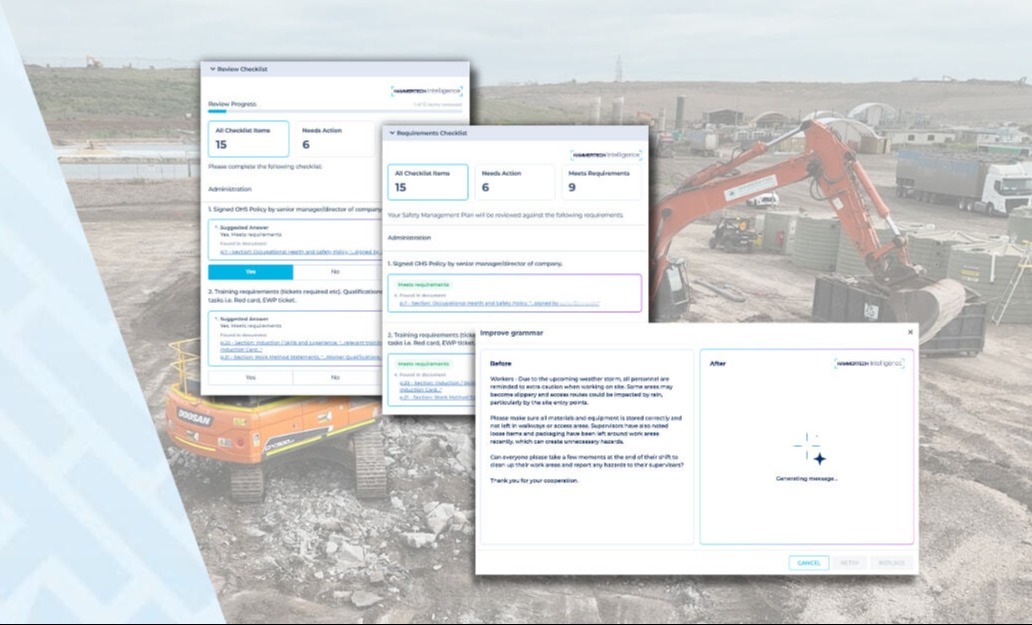
Platform: Field information flows into a central system, giving HSEQ leaders and project managers broader visibility. Reporting and Insights can help teams identify trends, incident hotspots and outstanding actions. HammerTech Intelligence can also reduce manual data entry and make information from connected safety workflows easier to use.
HammerTech helps crews working kilometres apart access consistent safety information while capturing daily field activity. This gives leaders better information for allocating resources, responding to emerging risks and keeping projects moving safely.
Explore HammerTech's Civil Roadwork Safety Solutions
Building infrastructure that connects communities is vital work. Protecting the people who build and maintain it is a shared responsibility.
Traffic management plans, vehicle movement plans, SWMS, pre-start briefings, plant inspections, competency checks and clear communication must all work together. Digital tools do not replace these controls or professional judgement. They help teams document, connect and review the information required to apply them consistently.
HammerTech’s platform provides a connected digital foundation for road and roadside safety management, helping teams work safer and smarter every day.
Roadwork Safety FAQs
What are the most common vehicle and mobile-plant hazards on roadwork sites?
Workers may be exposed to passing traffic, construction vehicles, mobile plant or moving materials. Risk increases around blind spots, reversing movements, changing traffic arrangements, poorly separated pedestrian and vehicle routes, and areas where workers on foot operate close to vehicles or plant.
How can contractors prevent workers from being hit by vehicles or mobile plant?
Contractors can reduce exposure by separating workers on foot from vehicles and mobile plant wherever reasonably practicable. Other controls may include traffic management plans, worksite vehicle movement plans, physical barriers, exclusion zones, competent spotters, agreed communication methods, operator competency verification and pre-start plant inspections. Controls should reflect the applicable jurisdiction, road authority, client and project requirements.
When is a SWMS required for roadwork in Australia?
Under the model WHS framework, construction work carried out on, in or adjacent to a road, railway or other traffic corridor in use by traffic is classified as high-risk construction work and requires a SWMS. Work performed in an area where powered mobile plant is moving may also meet the definition of high-risk construction work. Contractors should confirm the requirements adopted in the jurisdiction where the project is located.
How do digital SWMS and pre-start records improve roadwork safety?
Digital SWMS and pre-start records help teams document location-specific hazards such as live traffic, mobile-plant movement, visibility, weather, ground conditions and changing traffic configurations. Connected records can link planning information with plant, workers, permits and inspections while recording reviews, updates and worker acknowledgements.
How do digital pre-start inspections help manage mobile-plant risk?
Standardised digital checklists help operators document plant condition before use. HammerTech can connect inspections to individual asset records, provide QR-code access, attach photos of defects, preserve inspection history and help verify whether operators hold the required competencies and authorisations.
How does HammerTech support safety across dispersed road projects?
HammerTech connects worker competencies, subcontractor information, SWMS, pre-start briefings, plant records, permits, inspections, observations, corrective actions and site diaries in one platform. This gives project and safety leaders greater visibility across dispersed crews and work areas.
Can HammerTech capture inspection information without reliable connectivity?
HammerTech’s mobile inspection tools support offline work after the appropriate project information has been synchronised to the device. Supported information can synchronise with the HammerTech platform when connectivity returns. Some actions, including finalising an inspection or sending an observation, require a connection.
.jpg)