%20GIF.gif?width=200&name=HammerTech%20Intelligence%20(HTI)%20GIF.gif)

Civil and infrastructure construction includes some of the industry’s highest-risk work, especially when teams break ground. For principal contractors managing large-scale civil projects, excavation permits are critical to controlling ground disturbance and reducing the risk of utility strikes and trench collapses.
But paper permits stuffed in a vehicle's glovebox or lost on site create dangerous gaps in visibility and compliance. Digital permit-to-dig software replaces that uncertainty with real-time field control, giving teams the tools they need for safer digging, stronger compliance, and proactive utility strike prevention.
The High-Hazard Reality of Civil Earthworks
Civil and infrastructure projects rarely keep risk in one place. Kilometres of pipeline, sprawling energy sites, and complex road networks create dispersed work fronts, with excavation and trenching often happening near unmapped or mismarked underground utilities.
As teams rotate in and out, site conditions, HSEQ requirements, and permits must be continually communicated and verified. That makes a basic question surprisingly difficult to answer: Who is digging, where, and under which permit?
The consequences can be severe. Before You Dig Australia reports that more than 15,000 underground utility strikes occur in Australia each year, costing the national economy approximately $4.6 billion through asset damage, project delays, service disruptions and lost productivity. In New Zealand, WorkSafe warns that striking overhead or underground services can kill or seriously injure workers and other people nearby.
Those numbers are sobering. They do not mean the industry fails to understand the risks; they show how difficult those risks can be to control across large, fast-moving projects. Connected permit management gives site teams and leaders a clearer view of every dig, strengthening ground disturbance controls, trench safety, and utility strike prevention.
Why Paper Excavation Permits Fail on Dispersed Infrastructure Sites
Paper permits work - until the work moves.
On civil and infrastructure projects, teams, plant, and excavation zones can shift for miles. A permit sitting in a truck cannot show leaders where ground is being disturbed, whether the approval is current, or which controls the team has reviewed.
That creates familiar problems:
-
Lost or outdated permits: A permit gets damaged, misplaced, or separated from the latest service information.
-
Slow or missing approvals: If key personnel aren’t on site when a permit needs approval, work gets delayed or, worse, proceeds without the necessary authorisation.
-
No central record or live view: Standalone excavation permits make it difficult to see every active dig zone, responsible team, and permit status in one place.
-
Incomplete records: Paper inspection logs get filed away and are rarely analysed, making recurring hazards harder to spot and lessons from past near misses easier to lose.
-
Audit headaches: Permits, signatures, and inspection records must be pulled from different site offices, vehicles, and filing systems.
These issues compound on vast infrastructure projects where dozens of crews might be digging in different areas simultaneously. They create blind spots around ground disturbance safety and utility strike prevention. The permit process needs to move as quickly and visibly as the work itself.
3 Pillars of an Audit-Ready Ground Disturbance Safety Strategy
Going digital isn’t about turning a clipboard into a PDF. Digital safety permits for construction work best as part of a connected ground disturbance safety management strategy, linking permits, inspections, worker competencies, SWMS, risk assessments and pre-start planning in real time.
1. Live, Location-Tagged Permits
Every excavation or trenching activity should begin with a current, approved permit tied to a clearly defined work zone.
Australian requirements vary by jurisdiction, but Safe Work Australia’s model Excavation Work Code of Practice says current information about underground essential services should be obtained before excavation begins, made available to relevant workers and contractors, and retained for the required period. In New Zealand, WorkSafe guidance advises teams to locate and mark underground services, keep current service plans on site and treat services as live unless the service owner confirms otherwise. A digital permit helps keep this information connected to the work authorisation and accessible to the people completing the work.
-
Approve work digitally: Create, review, and approve permits from a mobile device, with approvals and status changes recorded. Site supervisors or safety leaders can review and sign off without waiting for paper to travel across the project.
-
See where permits are active: Connect each permit to a defined work zone or project map so teams can see where permitted work is happening and identify potential conflicts.
-
Maintain one live view: Give safety leaders visibility into active dig zones, permit status, and responsible teams.
-
Connect supporting documents: Attach photos, underground service plans, mark-outs, SWMS, risk assessments and site-specific procedures directly to the permit.
The objective is simple: No ground is broken until the work is authorised and the team has the latest information in hand.
2. Digital Excavation Inspection Records
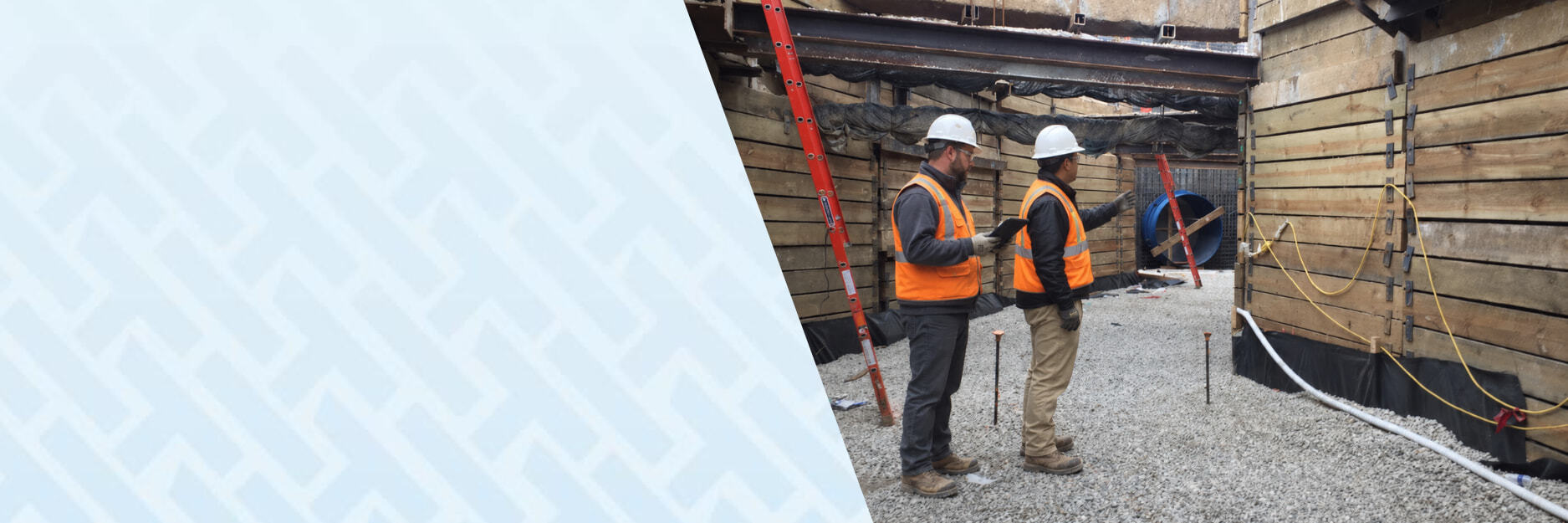
For trenching, every competent-person inspection should create a live, verifiable record - not another paper log. A permit gets the work started; ongoing inspections help confirm whether changing conditions remain safe.
Safe Work Australia’s model code recommends that soil conditions, shoring, battering and trench walls be frequently checked by a competent person. WorkSafe New Zealand’s excavation guidance says excavations should be checked each day before work starts and after any event that may affect stability. Digital inspection records make these checks easier to capture, action and retrieve.
Digital safety inspection logs allow competent persons to:
-
Record photos, add notes, and document critical safety items such as shoring, benching, battering, safe access, spoil placement, mobile-plant separation and atmospheric conditions.
-
Complete trench inspections in the field, even when working offline.
-
Raise hazards immediately, assign corrective actions, and track them through close-out.
-
Build a searchable inspection history for trend analysis, compliance reporting, and audits.
3. Verifiable Worker Qualifications and Pre-Start Planning
Digital permits and inspections still depend on qualified people who understand the work.
-
Record inductions, training, and qualifications so teams can verify who is qualified and ready to perform high-risk work.
-
Connect relevant risk assessments and safe-work documentation, including SWMS, directly to the excavation permit.
-
Conduct pre-starts and toolbox talks before beginning ground disturbance work. Review the permit, underground service information, changing site conditions, and task-specific controls. Digital tools can also record attendance and confirm worker acknowledgement.
The goal isn’t more forms. It’s one connected line of evidence showing that the work was approved, the risks were understood, and the people involved were prepared.
Real-Time Field Control: How HammerTech Digitises High-Risk Ground Work
HammerTech comes from construction, so our safety software connects these workflows in one system to help civil contractors move from permit request to approved, inspected, and audit-ready work without losing the thread.
Imagine this workflow on your civil project:
-
Request the permit: The supervisor logs into HammerTech to create an excavation permit, identifies the work zone, and attaches the latest Before You Dig plans, service mark-outs, relevant SWMS and risk assessments.
-
Review and approve: The safety leader or site supervisor reviews the request digitally. Approvals, comments, and signatures are time-stamped for accountability.
-
Align the team: Before work begins, the team holds a pre-start or toolbox talk to review the permit and task-specific controls, with attendance and acknowledgements recorded directly in HammerTech.
-
Inspect and respond: The competent person conducts trenching inspections from the field, captures photos, and raises issues for action, even when connectivity is limited.
-
Maintain live oversight: Back at the office, the project manager or HSEQ leader can open the HammerTech dashboard to see active permitted work, work zones, permit status, and related safety activity in real time.
-
Stay audit-ready: Permits, approvals, inspections, attachments, and corrective actions remain centralised and retrievable.
Digital Excavation Permit Software That Moves With the Work
A clipboard can prove a permit existed; however, it can’t tell you whether the right team is working under the right controls, in the right place, right now.
Digital safety permits for construction do more than replace paper. They connect approvals, work zones, underground service information, SWMS, risk assessments, worker competencies, and competent-person trench-inspection records in one live system. Teams can see active ground disturbance work as it happens, respond to changing conditions, and build a clear audit trail without chasing paperwork after the fact.
For civil and infrastructure contractors, that is connected ground disturbance safety management: faster approvals, stronger utility strike prevention, more reliable excavation and trenching inspections, and fewer gaps between field teams and leadership.
The permit becomes more than a form. It becomes an active safety control that moves with the work.